Running a small business is no small feat. With limited resources and endless tasks, staying on top of customer relationships can feel overwhelming. That’s where a CRM system for small business comes in—your secret weapon to streamline sales, boost retention, and grow smarter.
Why a CRM System for Small Business is a Game-Changer

Small businesses often operate with lean teams and tight budgets, making efficiency critical. A CRM (Customer Relationship Management) system isn’t just for enterprise-level companies anymore. Today’s cloud-based, affordable platforms make it accessible for startups and small teams to manage customer data, automate workflows, and improve communication—all from one central hub.
Streamline Customer Data Management
One of the biggest challenges small businesses face is scattered customer information—emails in inboxes, notes in spreadsheets, follow-ups in sticky notes. A CRM system for small business consolidates all this data into a single, searchable database.
- Store contact details, purchase history, and communication logs in one place.
- Eliminate duplicate entries and outdated records.
- Enable team-wide access with role-based permissions.
This centralized approach reduces errors and ensures every team member has the context they need to serve customers effectively.
Boost Sales Efficiency and Conversion Rates
Sales teams in small businesses often juggle multiple roles. A CRM helps them focus on selling by automating repetitive tasks like data entry, follow-up reminders, and lead scoring.
- Track leads from first contact to close.
- Visualize sales pipelines with drag-and-drop interfaces.
- Receive alerts for stalled deals or overdue follow-ups.
“A CRM doesn’t just organize your sales process—it accelerates it.” — HubSpot, HubSpot CRM Guide
Enhance Customer Retention and Satisfaction
Acquiring a new customer can cost five times more than retaining an existing one. A CRM system for small business helps nurture long-term relationships by tracking customer preferences, past interactions, and service history.
- Send personalized emails based on customer behavior.
- Automate birthday or anniversary messages.
- Log support tickets and track resolution times.
These small touches build loyalty and turn one-time buyers into brand advocates.
Top 7 CRM Systems for Small Business in 2024
Choosing the right CRM can be overwhelming with so many options available. We’ve curated a list of the top 7 CRM systems for small business that balance affordability, ease of use, and powerful features.
1. HubSpot CRM
HubSpot CRM is a favorite among small businesses for its intuitive interface and robust free plan. It’s perfect for companies just starting their CRM journey.
crm system for small business – Crm system for small business menjadi aspek penting yang dibahas di sini.
- Free forever plan with contact management, deal tracking, and email integration.
- Seamless integration with Gmail, Outlook, and HubSpot’s marketing tools.
- Automation workflows for lead nurturing and task assignment.
For businesses planning to scale, HubSpot offers paid tiers with advanced reporting and sales automation. Learn more at HubSpot CRM.
2. Zoho CRM
Zoho CRM stands out for its AI-powered assistant, Zia, which predicts sales outcomes and suggests next steps. It’s ideal for small businesses looking for smart automation without complexity.
- AI-driven insights for lead scoring and forecasting.
- Customizable dashboards and sales pipelines.
- Mobile app with offline access for field sales teams.
Zoho also integrates with over 40 Zoho apps and third-party tools like Slack and QuickBooks. Explore it at Zoho CRM.
3. Salesforce Essentials
Salesforce, the industry giant, offers a simplified version called Essentials tailored for small businesses with up to 10 users.
- Role-based access and team collaboration tools.
- Pre-built templates for common sales processes.
- Integration with email, calendar, and social media.
While more expensive than some competitors, Salesforce Essentials provides enterprise-grade reliability and scalability. Visit Salesforce Essentials for details.
4. Freshsales (by Freshworks)
Freshsales combines CRM functionality with built-in phone, email, and chat capabilities—making it a powerful all-in-one solution.
- AI-based lead scoring to prioritize high-value prospects.
- Visual deal pipeline with timeline view.
- Automated activity capture from calls and emails.
Its clean interface and strong automation make it ideal for sales-driven small businesses. Check it out at Freshsales.
5. Insightly
Insightly is perfect for small businesses that need project management alongside CRM features.
- Link contacts to projects and tasks.
- Track customer journeys across multiple touchpoints.
- Custom workflows and automation rules.
It’s especially useful for service-based businesses like consultants, agencies, and contractors. Learn more at Insightly.
crm system for small business – Crm system for small business menjadi aspek penting yang dibahas di sini.
6. Pipedrive
Pipedrive is built for sales teams that want a visual, pipeline-first approach. It’s one of the most intuitive CRMs on the market.
- Drag-and-drop sales pipeline management.
- Activity reminders and goal tracking.
- Strong integration with over 400 apps via Zapier.
Pipedrive’s focus on simplicity makes it a top choice for small sales teams. Visit Pipedrive to explore.
7. Agile CRM
Agile CRM offers a comprehensive suite of tools including marketing automation, telephony, and helpdesk—all in one platform.
- Free plan with up to 10 users and basic features.
- Website tracking to see visitor behavior.
- Email campaigns and landing page builder.
While the interface can feel cluttered, its feature density makes it a value-packed option. See it in action at Agile CRM.
Key Features to Look for in a CRM System for Small Business
Not all CRMs are created equal. When evaluating options, focus on features that align with your business goals and operational needs.
User-Friendly Interface
Small teams don’t have time for steep learning curves. A CRM system for small business should be intuitive and easy to navigate.
- Drag-and-drop functionality for pipelines and tasks.
- Minimal clicks to access key features.
- Mobile app with full functionality.
A clean UI reduces training time and increases adoption across your team.
Automation Capabilities
Automation is the backbone of efficiency. Look for a CRM that automates repetitive tasks like:
- Email follow-ups after lead capture.
- Task assignments based on deal stage.
- Data entry from web forms or calls.
These features free up time for your team to focus on high-value activities.
crm system for small business – Crm system for small business menjadi aspek penting yang dibahas di sini.
Integration with Existing Tools
Your CRM shouldn’t exist in a vacuum. It should sync seamlessly with tools you already use.
- Email platforms (Gmail, Outlook).
- Accounting software (QuickBooks, Xero).
- Marketing tools (Mailchimp, Facebook Ads).
Integration ensures data flows smoothly across systems, reducing manual entry and errors.
How to Implement a CRM System for Small Business Successfully
Choosing a CRM is just the first step. Successful implementation is what unlocks its true value.
Define Your Goals and Processes
Before onboarding any CRM, clarify what you want to achieve. Common goals include:
- Shortening sales cycles.
- Improving customer response times.
- Increasing upsell opportunities.
Map out your current sales and support processes to identify where the CRM can add value.
Start Small and Scale Gradually
Don’t try to migrate all data and automate everything at once. Begin with core features:
- Import essential contact data.
- Set up basic pipelines and tasks.
- Train team members on daily use.
Once comfortable, gradually add automation, integrations, and advanced reporting.
Train Your Team and Encourage Adoption
The best CRM is useless if your team doesn’t use it. Invest time in training and create a culture of data entry.
- Host onboarding sessions and provide quick-reference guides.
- Assign a CRM champion to answer questions.
- Link CRM usage to performance metrics.
Regular feedback helps refine the system to better fit your team’s workflow.
crm system for small business – Crm system for small business menjadi aspek penting yang dibahas di sini.
Common Mistakes to Avoid When Using a CRM System for Small Business
Even with the best tools, mistakes can undermine your CRM’s effectiveness.
Poor Data Quality
Garbage in, garbage out. If your CRM is filled with outdated or incorrect data, it loses its value.
- Regularly audit and clean your database.
- Enforce data entry standards (e.g., required fields).
- Use validation rules to prevent duplicates.
High-quality data ensures accurate reporting and better decision-making.
Over-Customization
While customization is powerful, too much can complicate the system and slow down performance.
- Stick to essential custom fields and workflows.
- Avoid creating overly complex automation rules.
- Test changes in a sandbox before going live.
Simplicity often leads to higher user adoption and smoother operations.
Ignoring Analytics and Reporting
A CRM system for small business isn’t just a database—it’s a decision-making tool. Failing to use its reporting features means missing out on insights.
- Monitor key metrics like conversion rates and sales cycle length.
- Identify bottlenecks in your pipeline.
- Use data to refine marketing and sales strategies.
“What gets measured gets managed.” — Peter Drucker
Real-World Benefits: Case Studies of Small Businesses Using CRM
Theoretical benefits are great, but real-world results speak louder. Here are two examples of small businesses that transformed their operations with a CRM system for small business.
Case Study 1: Local Marketing Agency Boosts Client Retention
A 5-person digital marketing agency in Austin struggled with inconsistent client communication and missed follow-ups. After implementing HubSpot CRM, they:
- Automated monthly client check-in emails.
- Tracked campaign performance within contact records.
- Reduced response time to client inquiries from 48 hours to under 4.
Result: Client retention increased by 35% within six months.
crm system for small business – Crm system for small business menjadi aspek penting yang dibahas di sini.
Case Study 2: E-commerce Store Increases Sales by 50%
An online boutique selling handmade jewelry used spreadsheets to manage orders and customer info. They switched to Zoho CRM and integrated it with their Shopify store.
- Automated post-purchase follow-up sequences.
- Segmented customers by purchase history for targeted promotions.
- Used AI forecasting to predict seasonal demand.
Result: Revenue grew by 50% in one year, with a 25% increase in repeat customers.
Future Trends in CRM for Small Businesses
The CRM landscape is evolving rapidly, driven by AI, mobile technology, and customer expectations.
AI-Powered Predictions and Automation
AI is no longer a luxury—it’s becoming standard. Future CRM systems for small business will offer:
- Predictive lead scoring based on behavior patterns.
- Smart email drafting with natural language processing.
- Automated sentiment analysis from customer messages.
These features will help small teams act like large, data-driven organizations.
Mobile-First CRM Experiences
With more teams working remotely or on the go, mobile CRM access is essential.
- Offline data entry and syncing.
- Voice-to-text note-taking during client meetings.
- Push notifications for urgent tasks.
Platforms like Freshsales and Pipedrive are already leading in mobile functionality.
Deeper Integration with E-commerce and Social Media
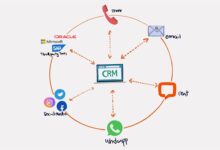
Customers interact across multiple channels. CRMs will increasingly pull data from:
- Online stores (Shopify, WooCommerce).
- Social media platforms (Instagram, LinkedIn).
- Live chat and messaging apps (WhatsApp, Messenger).
This unified view enables hyper-personalized marketing and support.
crm system for small business – Crm system for small business menjadi aspek penting yang dibahas di sini.
Conclusion: Your CRM is More Than Software—It’s a Growth Engine
A CRM system for small business is not just a tool—it’s a strategic asset. From organizing customer data to automating sales and enhancing retention, the right CRM can transform how you operate. By choosing a platform that fits your needs, implementing it thoughtfully, and avoiding common pitfalls, you set your business up for scalable growth. The future of small business success is relationship-driven, and a CRM is your most powerful ally in building those relationships.
What is a CRM system for small business?
A CRM (Customer Relationship Management) system for small business is a software platform designed to help small companies manage customer interactions, track sales leads, automate marketing, and improve customer service—all in one centralized system.
Is a CRM worth it for small businesses?
Yes. A CRM helps small businesses save time, reduce errors, improve customer satisfaction, and increase sales. With affordable and scalable options available, even startups can benefit significantly from using a CRM.
How much does a CRM system for small business cost?
Costs vary widely. Many CRMs offer free plans for up to 10 users (e.g., HubSpot, Agile CRM). Paid plans typically range from $10 to $50 per user per month, depending on features and scalability.
Can I integrate a CRM with my existing tools?
Yes. Most modern CRM systems for small business integrate with email, accounting software, e-commerce platforms, and marketing tools via native connections or third-party services like Zapier.
crm system for small business – Crm system for small business menjadi aspek penting yang dibahas di sini.
How long does it take to implement a CRM?
Implementation can take anywhere from a few days to several weeks, depending on data complexity, team size, and customization needs. Starting with a simple setup and scaling over time is recommended.
Further Reading: