Welcome to the world of B2B business, where relationships drive revenue and strategy shapes success. In this deep dive, we’ll uncover the real mechanics behind thriving B2B models, from sales funnels to digital transformation—backed by data, trends, and expert insights.





Understanding the Core of B2B Business

The term b2b business refers to transactions between businesses, such as a manufacturer selling to a wholesaler or a software provider offering tools to other enterprises. Unlike B2C (business-to-consumer), B2B focuses on solving complex organizational problems, often involving longer sales cycles, multiple stakeholders, and high-value contracts.
Defining B2B vs. B2C Models
While both models aim to generate profit, their approach differs significantly. B2B business decisions are typically rational, data-driven, and based on ROI, whereas B2C purchases are often emotional and impulsive.
- B2B sales involve contracts, negotiations, and service-level agreements (SLAs).
- B2C relies heavily on branding, advertising, and instant gratification.
- Customer lifetime value (CLV) is usually higher in B2B due to recurring contracts.
According to Investopedia, B2B transactions account for nearly $20 trillion in global economic activity annually—far surpassing B2C volumes in terms of total value.
Key Characteristics of a Successful B2B Business
What sets a high-performing B2B company apart? It’s not just about having a product; it’s about delivering measurable value through trust, scalability, and expertise.
- Long Sales Cycles: Decision-making often involves procurement teams, legal reviews, and technical evaluations.
- Relationship-Driven: Trust and reliability are paramount. A single client can represent millions in annual revenue.
- Customization: Solutions are often tailored to meet specific enterprise needs, unlike standardized B2C offerings.
“In B2B, you’re not just selling a product—you’re selling peace of mind, efficiency, and competitive advantage.” — Michael Brenner, CEO of Marketing Insider Group
7 Essential Strategies to Scale Your B2B Business
Growing a b2b business isn’t about luck—it’s about execution. The most successful companies leverage proven strategies that align with market demands, technological shifts, and customer expectations. Here are seven powerful approaches to accelerate growth.
1. Build a Data-Driven Sales Funnel
A well-structured sales funnel is the backbone of any scalable B2B business. It maps the journey from lead generation to conversion, helping teams identify bottlenecks and optimize performance.
- Awareness Stage: Use content marketing, SEO, and paid ads to attract decision-makers.
- Consideration Stage: Offer whitepapers, webinars, and case studies to nurture leads.
- Decision Stage: Provide demos, trials, and personalized proposals to close deals.
Tools like HubSpot and Salesforce enable automation and tracking across every stage, ensuring no lead falls through the cracks.
2. Invest in Account-Based Marketing (ABM)
ABM flips traditional marketing on its head by targeting specific high-value accounts rather than broad audiences. This hyper-focused strategy increases engagement and shortens sales cycles.
- Identify ideal customer profiles (ICPs) based on industry, revenue, and tech stack.
- Create personalized campaigns using direct mail, LinkedIn outreach, and custom content.
- Align sales and marketing teams to engage key stakeholders within target accounts.
According to The ABM Institute, companies using ABM report 200% higher win rates and 30% faster deal velocity.
3. Leverage Content as a Strategic Asset
In the digital age, content isn’t just king—it’s the entire kingdom. For a b2b business, educational content builds authority, nurtures trust, and drives organic traffic.
- Publish in-depth guides, research reports, and benchmark studies.
- Use video explainers and customer testimonials to humanize your brand.
- Optimize all content for SEO to capture high-intent search traffic.
A study by Content Marketing Institute found that 91% of B2B marketers use content marketing to reach customers, with 70% citing it as more effective than traditional advertising.
The Role of Technology in Modern B2B Business
Technology has transformed how B2B companies operate, sell, and scale. From AI-powered analytics to cloud-based collaboration tools, digital innovation is no longer optional—it’s essential for survival.
CRM Systems: The Nervous System of B2B Operations
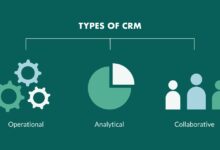
Customer Relationship Management (CRM) platforms like Salesforce, Zoho, and HubSpot centralize customer data, streamline communication, and enhance sales productivity.
- Track every interaction with prospects and clients.
- Automate follow-ups and task assignments.
- Generate real-time reports on pipeline health and forecast accuracy.
As noted by Salesforce, organizations using CRM see an average of 41% increase in revenue within the first year of implementation.
AI and Automation in B2B Sales
Artificial Intelligence is revolutionizing B2B sales by enabling predictive lead scoring, chatbot support, and intelligent email sequencing.
- Predictive analytics identify which leads are most likely to convert.
- Chatbots handle initial inquiries 24/7, freeing up human reps for complex tasks.
- AI-driven tools like Gong and Chorus analyze sales calls to improve coaching and strategy.
McKinsey reports that AI adoption in B2B sales can boost conversion rates by up to 50% while reducing customer acquisition costs by 30%.
Building Long-Term Customer Relationships in B2B Business
Acquiring a new customer costs five times more than retaining an existing one. In the context of b2b business, where contracts are long-term and stakes are high, customer retention is a critical growth lever.
Onboarding Excellence
A smooth onboarding process sets the tone for the entire customer journey. Poor onboarding leads to churn, while a structured program increases satisfaction and time-to-value.
- Assign dedicated onboarding specialists.
- Provide step-by-step training and documentation.
- Set clear milestones and success metrics.
As highlighted by ProfitWell, companies with formal onboarding processes retain 80% of customers after the first 90 days, compared to just 30% without.
Proactive Customer Success Management
Customer success goes beyond support—it’s about ensuring clients achieve their desired outcomes using your product or service.
- Conduct regular business reviews (QBRs).
- Monitor usage patterns and intervene before issues arise.
- Offer strategic advice and upsell opportunities based on client goals.
“Customer success is not a department—it’s a company-wide philosophy.” — Lincoln Murphy, Customer Success Expert
Global Expansion in B2B Business: Challenges and Opportunities
Scaling a b2b business beyond domestic markets opens vast opportunities—but also introduces complexity. Cultural nuances, regulatory frameworks, and logistics must be carefully navigated.
Market Research and Localization
Entering a new region requires deep understanding of local business practices, language, and legal requirements.
- Hire local consultants or partners to guide entry strategy.
- Adapt messaging and branding to resonate with regional values.
- Ensure compliance with data privacy laws like GDPR (Europe) or PIPL (China).
For example, a U.S.-based SaaS company expanding into Germany must comply with strict data sovereignty rules, which may require hosting servers locally.
Building International Sales Teams
Local sales teams understand regional pain points and can build trust faster than remote reps.
- Train local teams on product knowledge and brand values.
- Equip them with multilingual marketing materials and CRM access.
- Establish clear KPIs and incentive structures aligned with global goals.
Companies like ZoomInfo and SAP have successfully scaled globally by combining centralized strategy with decentralized execution.
Sustainability and Ethics in B2B Business
Today’s B2B buyers care about more than price and performance—they demand ethical practices, environmental responsibility, and social impact.
Green Supply Chains and Carbon Footprint Reduction
Sustainable operations are becoming a competitive advantage. Buyers increasingly favor vendors with transparent, eco-friendly practices.
- Partner with suppliers who adhere to environmental standards.
- Measure and report carbon emissions across your value chain.
- Invest in renewable energy and circular economy models.
A 2023 report by McKinsey & Company found that 60% of B2B decision-makers consider sustainability a top-three criterion when selecting vendors.
Corporate Social Responsibility (CSR) Initiatives
CSR builds brand equity and strengthens stakeholder trust. It includes fair labor practices, diversity programs, and community engagement.
- Launch employee volunteer programs.
- Support underserved communities through partnerships.
- Disclose CSR efforts in annual reports and on your website.
For instance, Microsoft’s AI for Good initiative has enhanced its reputation among enterprise clients seeking socially responsible tech partners.
The Future of B2B Business: Trends to Watch in 2025 and Beyond
The b2b business landscape is evolving rapidly. Staying ahead requires foresight, agility, and a willingness to embrace change. Here are the top trends shaping the future.
Rise of the Self-Service B2B Model
Traditionally, B2B sales required human interaction. Now, companies like Slack, Dropbox, and Atlassian have proven that self-service models can work—even for complex enterprise software.
- Offer free trials and freemium tiers to lower entry barriers.
- Build intuitive user interfaces that reduce onboarding friction.
- Use in-app guidance and knowledge bases to support users.
This shift empowers buyers to research and test solutions independently, aligning with modern digital expectations.
Hyper-Personalization Through Data Analytics
Generic messaging no longer cuts it. Buyers expect personalized experiences based on their industry, role, and behavior.
- Use intent data from platforms like Bombora to detect buying signals.
- Deliver dynamic website content based on visitor profile.
- Send targeted email sequences triggered by user actions.
According to Gartner, 80% of B2B sales interactions will occur through digital channels by 2025, making personalization a must-have capability.
Integration of Blockchain for Transparency
Blockchain technology is gaining traction in B2B for secure, transparent transactions—especially in supply chain and contract management.
- Use smart contracts to automate payments upon delivery verification.
- Track product provenance from origin to end-user.
- Reduce fraud and disputes through immutable records.
IBM’s Food Trust network, for example, uses blockchain to trace food products across global suppliers, enhancing safety and accountability.
What is the difference between B2B and B2C business models?
B2B (business-to-business) involves companies selling products or services to other businesses, often with longer sales cycles, multiple decision-makers, and higher transaction values. B2C (business-to-consumer) targets individual customers with faster, emotion-driven purchases. B2B focuses on ROI, efficiency, and long-term contracts, while B2C emphasizes branding, convenience, and mass appeal.
How can a B2B business improve its sales conversion rate?
A B2B business can boost conversions by implementing a data-driven sales funnel, adopting account-based marketing (ABM), improving lead qualification, personalizing outreach, and investing in customer success. Tools like CRM systems, AI analytics, and automated follow-ups also enhance efficiency and responsiveness.
What role does content marketing play in B2B business growth?
Content marketing is crucial in B2B business as it educates prospects, builds credibility, and nurtures leads through the sales funnel. High-quality content like whitepapers, case studies, and webinars addresses pain points and positions the company as an industry thought leader, ultimately driving engagement and conversions.
Why is customer retention important in B2B business?
Customer retention is vital in B2B because acquiring new clients is significantly more expensive than retaining existing ones. Long-term contracts, upsell opportunities, and referrals from satisfied clients contribute to sustainable revenue growth. Additionally, retained customers provide valuable feedback for product improvement.
What are the biggest challenges in scaling a B2B business globally?
Key challenges include understanding local regulations, adapting to cultural differences, managing international logistics, building local teams, and ensuring data compliance. Companies must also align pricing, support, and marketing strategies to regional expectations while maintaining brand consistency.
The world of b2b business is dynamic, demanding, and full of opportunity. By mastering core strategies like data-driven sales, customer success, and digital transformation, companies can build resilient, scalable models that thrive in competitive markets. As technology evolves and buyer expectations shift, the most successful B2B organizations will be those that prioritize value, trust, and innovation. Whether you’re launching a startup or scaling an enterprise, the principles outlined here provide a roadmap for sustainable growth in the modern B2B landscape.
Further Reading: